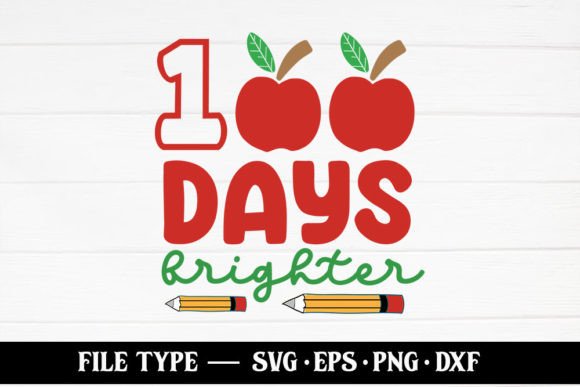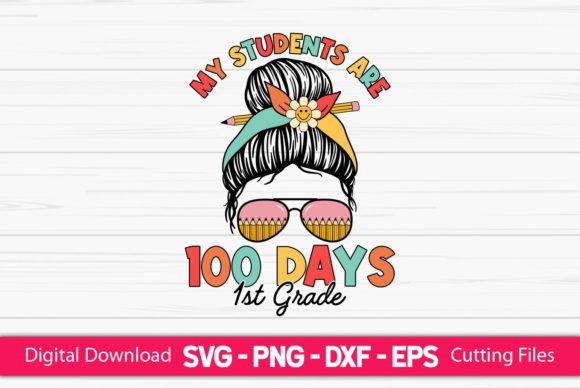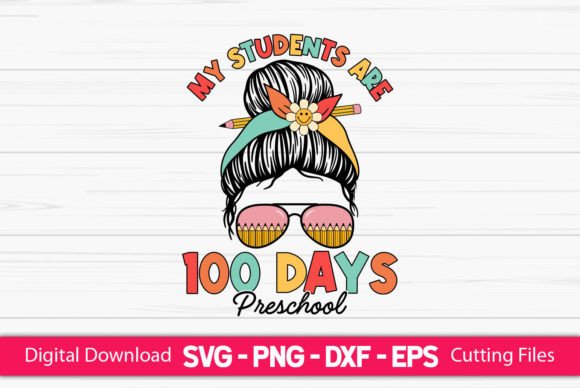
Reviewing the 100 Days Watching My Students Grow SVG
As a designer who spends more time staring at stitch simulations than I care to admit, I approach every new machine embroidery design with a mix of curiosity and skepticism. We have all been there: downloading a cute graphic that looks perfect on screen, only to watch it turn into a tangled mess of thread breaks and puckering on the hoop. That is why I took a close, practical look at the 100 Days Watching My Students Grow SVG before committing it to any client project or personal inventory.
This isn’t just about whether the file opens correctly. It is about whether this specific embroidery file can carry the weight of a real-world product. For teachers, school staff, and the craft businesses that serve them, the 100th day of school is a major milestone. The demand for themed apparel and gifts is high, but so is the competition. To stand out, your finished product needs to look professional, durable, and visually appealing. Here is my honest assessment of how this design performs in a real studio environment.
First Impressions and Visual Personality
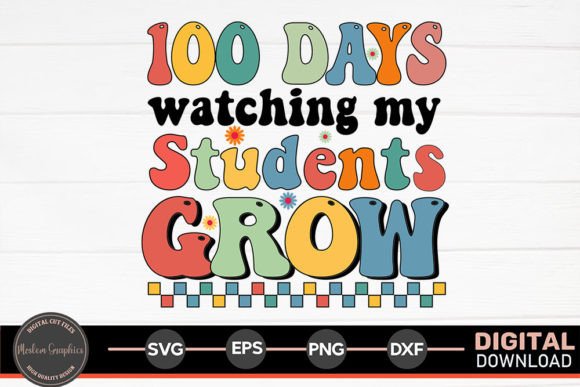
When I first loaded the 100 Days Watching My Students Grow SVG into my editing software, the immediate impression was one of warmth and nostalgia. The layout strikes a balance between playful and structured, which is essential for educational themes. It avoids being overly childish, making it versatile enough for adult teachers as well as student apparel. The visual personality suggests growth, care, and celebration—emotions that resonate deeply with educators.
From a technical standpoint, the inclusion of multiple file formats in the zip package—specifically the EPS, SVG, PNG, and DXF files—indicates that this asset is designed for versatility. While my primary focus is embroidery, having the vector and raster versions allows for cohesive branding across different mediums. You can use the SVG for heat transfer vinyl (HTV) projects while using the digitized version for stitched items, ensuring your design assets remain consistent across your craft business.
Real-World Application: The Teacher Tote Test
To truly evaluate a design, you must imagine it on a physical object. I visualized this design on a heavy-duty canvas tote bag, a popular item for teachers carrying books and supplies. The phrase "Watching My Students Grow" implies a journey, and a tote bag is a companion on that daily journey.
In this scenario, the design’s clarity is paramount. If the lettering is too thin or the spacing too tight, the stitch density might cause the fabric to pucker, especially on a textured canvas. Based on the visual structure of the 100 Days Watching My Students Grow SVG, it appears to have sufficient spacing between elements. This is crucial for maintaining the integrity of the finished product. A teacher pulling this bag out in a staff meeting needs it to look crisp, not cluttered.
Beyond totes, this design translates well to sweatshirt embroidery. A crewneck sweatshirt provides a stable, flat surface that handles fill stitches beautifully. The nostalgic tone of the design pairs perfectly with the cozy nature of fleece or cotton blends. For an Etsy seller, offering this on a high-quality garment could significantly boost perceived value compared to a standard printed tee.
Technical Considerations for Stitching Success
While the aesthetic is strong, successful embroidery relies on technical execution. Here are the practical factors I considered when reviewing this digital embroidery file for production.
- Fabric Texture and Stability: The design likely contains a mix of text and graphical elements. When stitching on textured fabrics like terry cloth towels or waffle-knit shirts, ensure you use a adequate cut-away stabilizer. The stability of the base fabric will determine how sharp the corners of the letters appear.
- Thread Color Contrast: The mood of this design is gentle and celebratory. I recommend testing it with soft, earthy tones or classic school colors rather than neon brights, unless specifically requested. High contrast between the thread and the fabric is essential for readability, especially if the design includes smaller details.
- Hoop Size Constraints: Before starting, confirm the dimensions of the design against your available hoop size. If the design is large, it may require a 5x7 or 6x10 hoop. Always check the actual dimensions in your software, as screen previews can be misleading regarding scale.
- Detail Level: Inspect the smallest elements. If there are tiny decorative accents, consider whether they will hold up after washing. In some cases, simplifying a design or increasing the stitch count slightly can prevent threads from pulling out over time.
Navigating Potential Pitfalls
No design is universal, and the 100 Days Watching My Students Grow SVG requires careful placement in certain contexts. For instance, applying this to a curved surface like a cap requires caution. Caps have limited flat space, and complex layouts can distort when stitched on a curved brim or front panel. If you plan to use this for headwear, ensure the design width fits comfortably within the standard cap frame without encroaching on the seams.
Additionally, be mindful of stretchy fabrics. If you are creating baby embroidery items like onesies, the fabric’s elasticity can cause registration issues if the stabilizer is not robust enough. Always run a test stitch on scrap fabric of the same type before committing to the final garment. This simple step saves time, thread, and frustration.
Another consideration is the background color. Dark fabrics can sometimes swallow fine details if the thread color is not vibrant enough. Conversely, light fabrics may show shadows from dense stitch areas. I advise creating black and white mockups to check the silhouette and balance of the design before selecting your final thread colors.
Commercial Value and Brand Consistency
For small shop product creators and commercial embroidery professionals, the viability of a design goes beyond its look. It is about how it enhances your brand. The 100 Days Watching My Students Grow SVG offers a narrative element that customers love. It tells a story of dedication and growth, which adds emotional value to the personalized gift.
When listing this item on platforms like Etsy, use high-quality photos that show the texture of the stitches. Buyers of handmade items want to see the craftsmanship. Highlight the durability of the embroidery compared to printed alternatives. Emphasize that this is a premium handmade product designed to last through many school years.
Furthermore, ensure you understand the licensing terms associated with the file. While the package includes various formats suitable for both cutting machines and embroidery hoops, commercial use rights can vary. Always verify whether you can sell finished physical items or if the license restricts you to personal use. Protecting your business legally is just as important as protecting your design aesthetically.
Final Verdict for Designers and Makers
The 100 Days Watching My Students Grow SVG is a solid addition to any designer’s library, particularly for those specializing in educational or seasonal themes. Its strength lies in its emotional resonance and versatile layout. However, its success depends entirely on your technical execution.
Treat this design with the respect it deserves. Test it on different fabrics, adjust your tension, and choose your threads wisely. When done correctly, it results in a custom apparel piece or accessory that feels special and professional. Whether you are making a single holiday embroidery gift for a favorite teacher or stocking up for a busy spring season, this design has the potential to perform well. Just remember: the file is only the beginning. The magic happens in the hoop.