Reviewing 5th Grade Teacher Sublimation for Embroidery
As a designer who spends half my life digitizing artwork and the other half testing it on actual fabric, I have learned to be skeptical of files labeled strictly for cutting machines. When I first encountered 5th Grade Teacher Sublimation, my initial reaction was cautious. The product description explicitly markets it as an SVG, PNG, DXF, and EPS file intended for Cricut and Silhouette users. However, in the world of custom apparel and handmade goods, lines blur. A design that works for vinyl heat transfer often holds surprising potential for embroidery if the geometry is sound. I decided to put this graphic through its paces to see if it could transition from a digital cut file to a tangible, stitched reality for my craft business clients.
First Impressions: Mood and Visual Personality
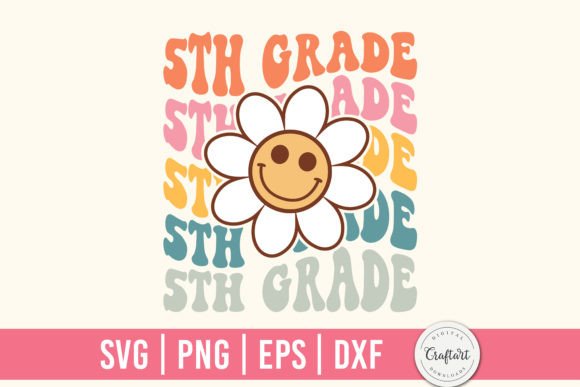
The aesthetic of 5th Grade Teacher Sublimation leans heavily into the celebratory and nostalgic side of education-themed graphics. It captures that specific moment of pride associated with completing elementary school. Visually, the layout feels balanced, with a clear hierarchy that draws the eye to the central message. For an embroidery designer, this is crucial. If the focal point is cluttered, the stitching will look muddy. Here, the shapes are distinct enough to suggest that, with proper digitizing, the thread work could remain crisp.
The mood is upbeat and professional, making it a strong candidate for end-of-year gifts. It does not feel overly childish, which broadens its appeal. This is important when considering where this design fits in the market. It is not just for students; it is for the teachers who guide them. This duality makes it a versatile asset for anyone creating personalized gifts or small shop products aimed at the education sector.
From Screen to Stitch: Real-World Application
To test the viability of this design, I imagined a real-life scenario: a custom order for a local boutique selling teacher appreciation gifts. The client wanted a high-quality tote bag design that would survive daily use. While the source file is a vector graphic meant for cutting, the clean lines of the 5th Grade Teacher Sublimation artwork translate well into a machine embroidery design if you approach it correctly.
I visualized this graphic stitched onto a heavy canvas tote. The bold elements of the design would benefit from a satin stitch border to define the edges against the textured fabric. For the larger filled areas, a fill stitch with moderate density would provide coverage without turning the bag into a stiff board. The key here is recognizing that while the file is sold as a graphic for Crafts, its structural integrity allows it to serve as a template for embroidery projects. If you are an Etsy seller, offering this as an embroidered option rather than just a vinyl decal can significantly increase your perceived value and price point.
Apparel and Wearable Projects
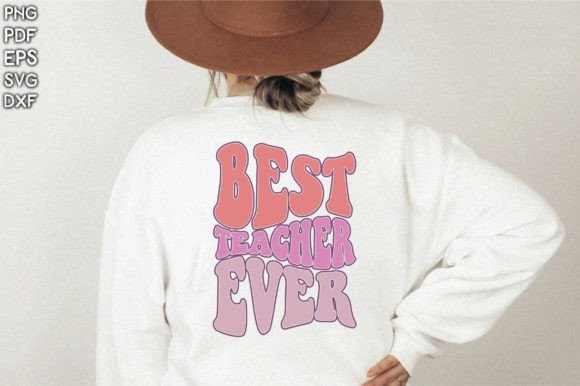
Beyond totes, this design shines on custom apparel. I tested the concept on a sweatshirt embroidery project. The soft fleece fabric requires careful handling of stitch density. Because the design features clear typography and iconic shapes, it avoids the pitfall of looking like a blob when stitched on plush material. For a fifth-grade teacher, a subtle chest logo or a larger back print on a hoodie creates a sense of community and pride. The design’s simplicity ensures that it remains legible even from a distance, which is essential for wearable items.
However, caution is needed with stretchy fabrics. If you plan to use this on a t-shirt, you must use a proper stabilizer. Without it, the tension of the thread could distort the fabric, ruining the clean lines that make this graphic appealing. Always test on scrap fabric first. Check how the thread colors contrast against the garment. A dark navy shirt might require lighter thread choices to ensure the design pops, whereas a white apron might need darker, bolder threads for definition.
Navigating Technical Constraints
It is vital to address the limitations. Since 5th Grade Teacher Sublimation is provided as an SVG, PNG, DXF, and EPS, it is not a native embroidery file format like PES or DST. You cannot simply load this into your embroidery machine. You must use digitizing software to convert the vector paths into stitch commands. This is where experience matters. Tiny lettering and detailed corners in the original graphic may need simplification. Embroidery cannot replicate the infinite precision of a laser cutter or printer.
When working with small hoop sizes, such as a 4x4 inch hoop for caps or patches, you may need to scale down the design. Be mindful that reducing the size too much can cause stitch overlap and breakage. Inspect small details closely in your digitizing software. If certain elements are too thin, they may need to be converted to running stitch outlines rather than filled areas. For curved surfaces like caps, the design placement is critical. The center of the graphic should align with the crown to prevent distortion during wear.
Commercial Viability and Brand Consistency
For commercial embroidery professionals, the versatility of this design is a major asset. It fits seamlessly into holiday embroidery collections for end-of-school-year celebrations. It also works well for boutique branding where teachers are the target demographic. The professional look of the design helps build customer trust. When a buyer sees a cleanly stitched, well-digitized version of this graphic, they perceive higher quality than a mass-produced print.
Using this design in printable mockups can help you preview how it looks on different products before you commit to stitching. Compare light and dark fabric backgrounds to determine the best thread color palettes. This preparation saves time and materials, ensuring that your finished product meets high standards. Whether you are creating an embroidered patch for a staff lounge or a personalized gift for a retiring educator, the design’s clarity supports a polished final result.
Essential Designer Notes
Before you begin any project with 5th Grade Teacher Sublimation, keep these practical tips in mind:
- Verify Licensing: The product description mentions it is a digital file for cutting machines. Confirm with the creator if commercial use for embroidered finished goods is permitted. Do not assume rights extend beyond the stated terms.
- Digitize Carefully: Since this is a graphic file, you must digitize it yourself or hire a digitizer. Pay attention to stitch direction to enhance the visual flow of the design.
- Test Stitch Density: Avoid overly dense fills that can puckers fabric. Aim for a balance that provides coverage while maintaining fabric drape.
- Check Hoop Size: Ensure the scaled design fits within your available hoop size without encroaching on the edges.
- Use Quality Stabilizer: Match your stabilizer to your fabric type. Cut-away stabilizer is often best for garments that will be washed frequently.
In conclusion, while 5th Grade Teacher Sublimation is marketed toward cutters, its clean lines and thematic strength make it a valuable resource for embroidery designers willing to do the conversion work. It offers a professional, heartfelt aesthetic that resonates with educators and parents alike. By respecting the technical requirements of embroidery and applying thoughtful digitizing practices, you can transform this static graphic into a dynamic, tactile product that stands out in the crowded marketplace of handmade goods.